
The original repair stack.
Before GLP-1s arrived in the consumer conversation, the peptide research community lived here: BPC-157 systemic, TB-500 tissue-level, KPV anti-inflammatory. Three molecules, three modes of action, one shared question — how fast can connective tissue rebuild itself when you give it the right signals.
BPC-157 10 mg
Pentadecapeptide from gastric juice. Systemic vascular, gut, and connective tissue signal — the workhorse of the lane.
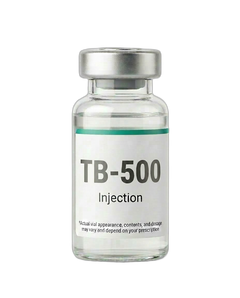
TB-500 5 mg
Actin-binding 17-aa fragment of Thymosin β4. Angiogenesis, cell migration, tissue-level remodeling research.
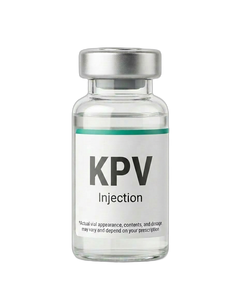
KPV 5 mg
Three-amino-acid α-MSH fragment with anti-inflammatory and mast cell stabilization research data.
Three signals that rebuild what's torn.
The recovery lane is the closest thing peptide research has to a canonical stack. It's been the entry point for most patients in this space for over a decade, and the literature is dense.
BPC-157 is the systemic signal — a 15-amino fragment of body-protective compound from gastric juice, with a remarkably broad signaling profile across vasculature, gut epithelium, and tendon. TB-500 (Thymosin β4 active fragment) sits closer to the tissue itself: actin-sequestering, angiogenic, with a half-life that supports twice-weekly research dosing. KPV — three amino acids from α-MSH — is the anti-inflammatory cap, with strong oral and topical bioavailability research.
Run separately, each addresses a different layer of the recovery cascade. Run together, they cover systemic + tissue + inflammation in one protocol — which is why "BPC + TB-500" is the most-studied combination in the entire peptide research space.
Below: the three single compounds, the canonical stack pre-built, and the decision tree if you're trying to choose just one.
Three questions, one starting molecule.
Studying systemic recovery?
If your endpoint is broad — gut lining, vascular regeneration, generalized soft-tissue repair — start with the most well-characterized systemic signal in the lane. The literature density here is unmatched.
Pick → BPC-157
Targeting a specific tissue?
Tendon, ligament, or muscle-specific work benefits from TB-500's actin-sequestering profile and longer half-life. Twice-weekly dosing makes long protocols easier to track.
Pick → TB-500
Inflammation is the bottleneck?
When systemic and tissue signals already work but inflammation prolongs the protocol, KPV's mast-cell and pro-inflammatory cytokine modulation research is a clean third addition.
Pick → KPV
Stacks patients run alongside.
All 9 stacks →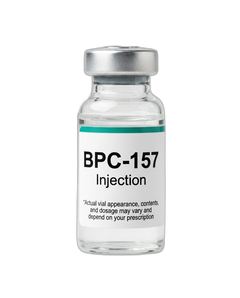
Patient questions, answered.
Six things we get asked most about the recovery lane. For dosing math, use the calculator. For purity records, every PDP has the full COA archive.
Why is BPC + TB-500 the canonical stack?
Because they cover different layers of the cascade with minimal redundancy. BPC-157 is the broad systemic signal; TB-500 is the tissue-level remodeling signal. Run together, the protocol covers vascular, gut, and connective tissue work in one set of reconstitutions.
Why is BPC + TB-500 the canonical stack?
Because they cover different layers of the cascade with minimal redundancy. BPC-157 is the broad systemic signal; TB-500 is the tissue-level remodeling signal. Run together, the protocol covers vascular, gut, and connective tissue work in one set of reconstitutions.
Can I run KPV alongside the canonical stack?
It's the most common 3-peptide expansion in the recovery lane. KPV's anti-inflammatory profile complements BPC's repair signal without receptor competition. Most patients studying inflammation-heavy endpoints add it second.
What's the typical research protocol length?
Recovery research protocols in the literature run 4–8 weeks for most endpoints, with breaks. We don't make recommendations — see your study design.
BPC-157 oral vs subcutaneous?
Oral has emerging research support given the molecule's gastric origin, but subcutaneous remains the dominant administration route in the published literature. We supply lyophilized form suitable for both research routes.
Do you offer a recovery starter kit?
The BPC + TB-500 stack is the de facto starter — it's the most ordered combination in the lane. The Stacks page includes bacteriostatic water and reconstitution guidance.
Run the canonical recovery stack?
BPC-157 + TB-500 is the most-ordered combination in this lane. Pre-bundled, pre-saved, with the full COA chain attached.